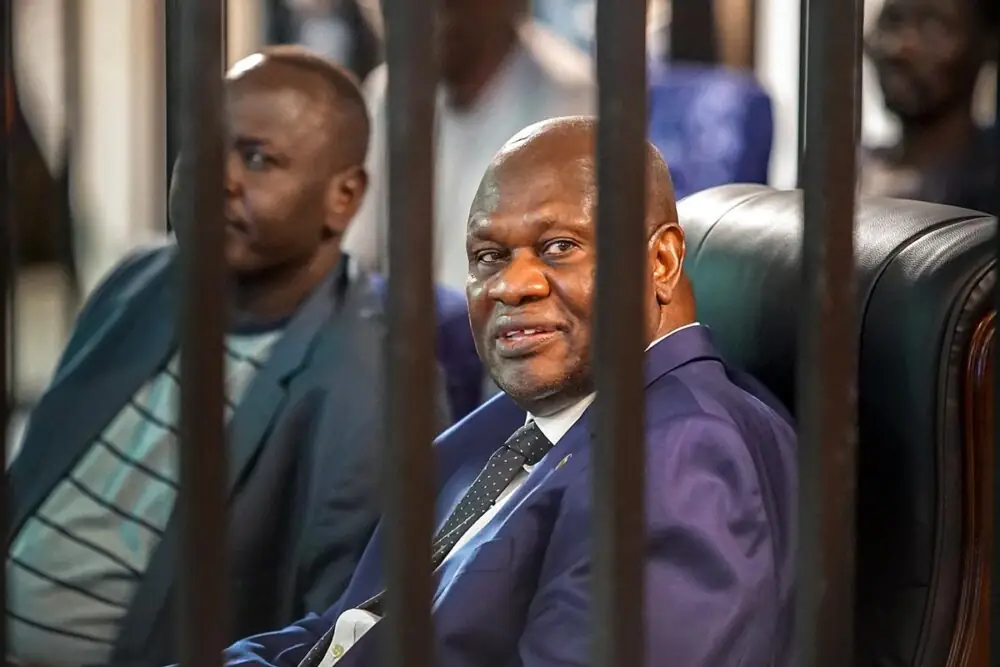

First Vice President, Riek Machar Teny
Monday, 11 May 2026 | Author: Andrew Michael | File Photo| GT-News |
A senior US diplomat has urged South Sudan’s leaders to take “urgent action” to restore peace and use the country’s oil wealth to improve public services, while criticising the detention of First Vice President Riek Machar.
Nick Checker, the US State Department’s Senior Bureau Official for African Affairs, visited Juba from May 7-8 for talks with senior South Sudanese officials, according to a statement released by Washington.
During the meetings, Checker outlined US priorities in South Sudan, including promoting peace, reducing dependence on foreign aid, improving cooperation on immigration and border security, and ending what the United States described as “predatory practices” targeting humanitarian organisations.
The US official called for dialogue among parties to the 2018 Revitalised Peace Agreement, which formally ended a five-year civil war that killed hundreds of thousands of people.
Checker said it was “farcical” to claim meaningful dialogue was taking place while Machar — leader of the SPLM-IO opposition movement and head of the second-largest party to the peace agreement — remained under arrest and on trial.
He added that although the 2018 agreement was “flawed”, it remained the basis of legitimacy for the transitional government.
The remarks come amid mounting international concern over delays in implementing the peace accord and preparations for elections expected in December 2026.
Washington also criticised South Sudan’s management of public finances in the oil-producing nation.
The United States said it had provided more than $9.5 billion in assistance to South Sudan since independence in 2011, while the country’s leaders had reportedly received more than $25 billion in oil revenues over the same period.
Checker accused political leaders of using recurring crises and promises of reform to attract donor support while obstructing the delivery of humanitarian assistance.
He said South Sudan’s leaders should use public revenues to pay salaries, invest in health and education, and support humanitarian operations.
“For years prior to independence, the SPLM claimed to want to end marginalization of the South by Khartoum, yet we have seen South Sudan’s own leaders perpetuate that marginalization,” Checker said.
South Sudanese authorities had not publicly responded to the remarks by Monday.