

South Sudan’s church leaders have called for an immediate nationwide ceasefire, warning that growing violence, civilian killings and displacement are pushing the country deeper into crisis.
The Heads of the South Sudan Council of Churches said civilians were being killed and abducted, communities forced from their homes and major transport routes becoming increasingly dangerous.
They also warned that insecurity was making it harder for humanitarian agencies to reach people affected by conflict and displacement.
In a statement, the church leaders said the situation had reached a point where “silence is no longer an option”, and called on the government, armed groups, traditional leaders and communities to take urgent action.
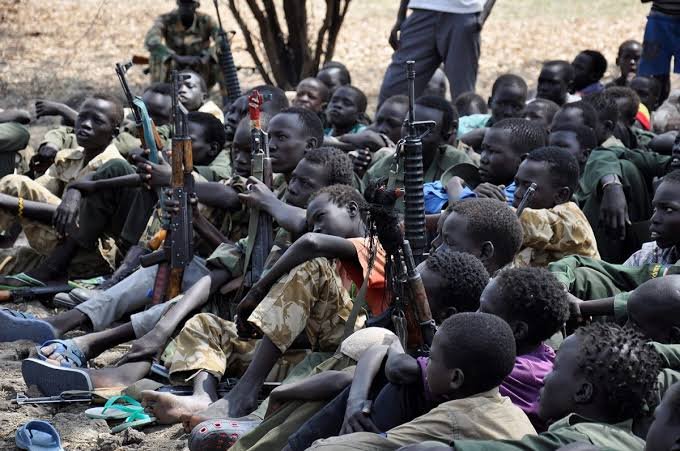
They called for an immediate end to hostilities across the country and demanded an end to the mobilisation and arming of young people for violence.
They also called for civilians to be protected, roads and river transport corridors secured, and humanitarian organisations given safe and unrestricted access to affected communities.
The church leaders further urged the strengthening of local peace and reconciliation mechanisms to resolve disputes and prevent revenge attacks.
The statement highlighted insecurity in several parts of South Sudan.
In Upper Nile State, the church said fighting and the mobilisation of armed youth in Nasir and Ulang counties had caused deaths and displacement and disrupted humanitarian operations.
In Jonglei State, it raised concerns over violence in Nyirol, Uror, Ayod, Akobo, Twic East and Duk counties, as well as the Pibor Administrative Area.
It also cited insecurity around Bentiu and Ruweng Administrative Area in Unity State, and intercommunal and revenge-related violence in parts of Warrap State, including Tonj North and Gogrial East, and in the Abyei Administrative Area.
In Equatoria, the church leaders warned of insecurity along the Juba-Mundri, Juba-Torit and Juba-Bor roads, saying attacks were threatening civilians and humanitarian operations. They also reported armed insecurity in parts of Yei River County.
South Sudan has experienced years of civil war and political instability despite repeated peace agreements aimed at ending the violence.
The church leaders said ordinary people should not continue to bear the cost of political and armed conflict.
“We have endured decades of conflict,” they said.“We deserve to live without fear of being killed on the roads, displaced from our homes, abducted from our communities, or caught between armed forces and armed youth.”
They appealed to all sides to choose “restraint over retaliation, dialogue over confrontation and reconciliation over revenge.”