

Wednesday, 29 July 2026 | Author: Andrew Michael | Reuters | GT-News |
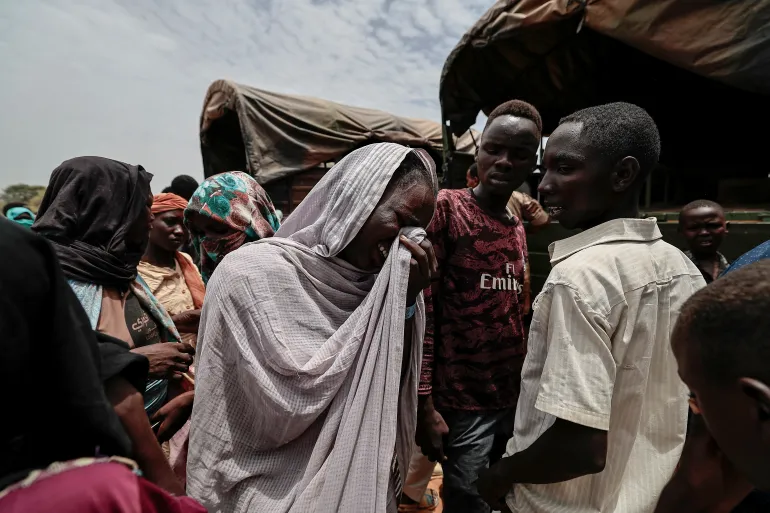
JUBA, July 29, 2026 — When fighting swept through Nagero County in South Sudan’s Western Equatoria State last year, thousands of families fled with little more than the clothes they were wearing. Many have since returned home, only to find their houses reduced to ashes, their livelihoods destroyed and fear still hanging over their communities.
For one 19-year-old woman, the return was heartbreaking. She told Human Rights Watch that government soldiers set fire to six family homes and a food store where her family had hoped to start a small restaurant.
“Our home was burned to ashes,” she recalled. “They burned our clothes, mattresses, plastic chairs. We were planning to open a restaurant… they burned food such as new groundnuts and cassava flour.”
Her story reflects the experiences of many residents whose dreams disappeared alongside their homes during months of violence between government forces, opposition fighters and allied militias.
According to a report released by Human Rights Watch, civilians endured killings, rape, torture, arbitrary detention and widespread destruction of property during clashes in 2025. Although many families have returned, they continue to live in fear while humanitarian access remains restricted.
One survivor described witnessing soldiers rounding up civilians who had sought refuge in a makeshift camp before opening fire. Another spoke of being beaten and shot after armed men accused him of supporting rival forces.
Women have also carried deep emotional scars. A 27-year-old woman recounted how she and another woman were raped by soldiers while gathering vegetables after returning home. She said the attack was reported to local authorities, but she was unaware of any action being taken.
Despite the trauma, many families have returned because they have nowhere else to go. Yet rebuilding remains difficult as insecurity continues to limit access to farms and markets, leaving communities struggling to recover.
The pain of repeated displacement is captured in the words of one resident: “How many times are we told to come home and that there will be no more fighting? But when people go back the SSPDF come and kill us and take our property. We run, leave our homes and when we get back, we find we have nothing to return to. How can we live like this and for how long?”
Human Rights Watch has called on the South Sudanese government to investigate alleged abuses, suspend commanders implicated in violations, ensure accountability, guarantee unrestricted humanitarian access and create conditions that allow displaced families to return home safely and voluntarily.