
Monday, 30 March 2026 | Author – Alex Onyango | Nairobi-Kenya |File Photo| GT-News |
The United States has ordered the withdrawal of its personnel and equipment from South Sudan’s public health laboratory, warning that the facility is under military control and at risk of aid diversion.
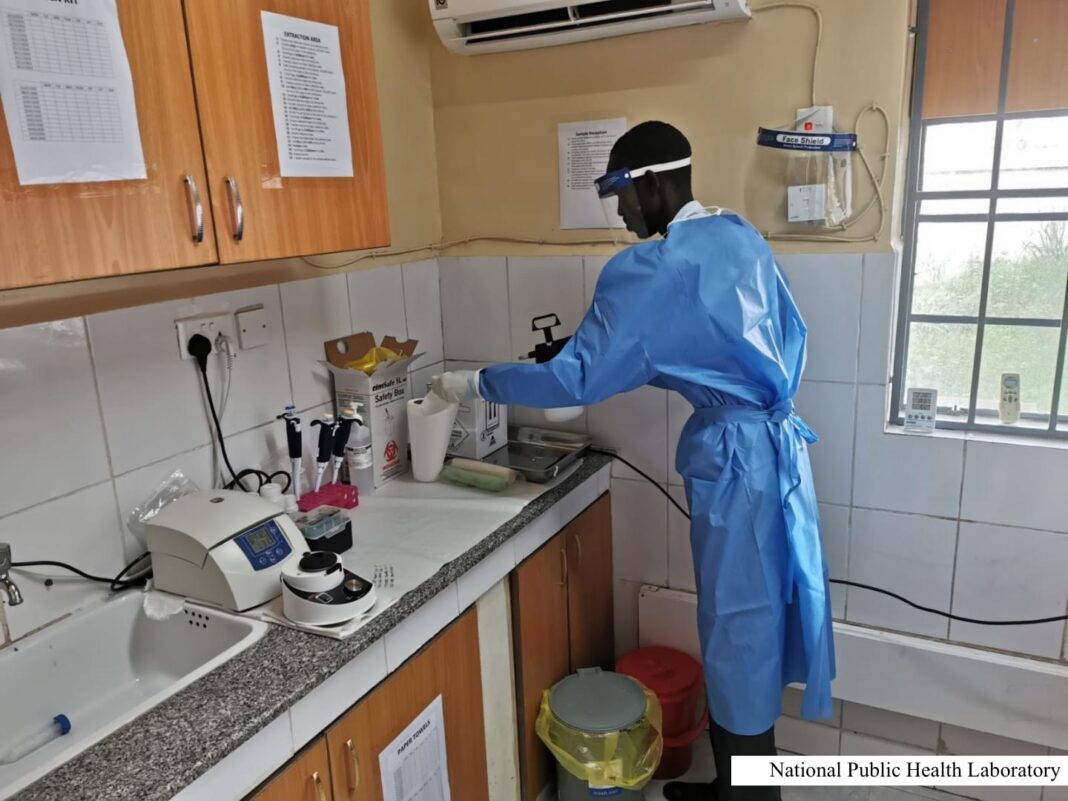
In a diplomatic note dated 24 March, the U.S. Embassy in Juba instructed all American-funded projects and implementing partners to leave the National Public Health Laboratory (NPHL) immediately, citing “credible reports” that soldiers had occupied the facility and that its management had been handed to an individual known among donors for allegedly diverting assistance.
“These circumstances create unacceptable risks to Embassy resources and personnel,” the letter said.
The NPHL is South Sudan’s central diagnostic facility, critical for detecting disease outbreaks and guiding emergency health responses in a country heavily reliant on international aid.
The U.S. said its laboratory services and equipment would be relocated to alternative sites supporting its health programmes, a move that could disrupt testing capacity at a time when it faces recurrent public health threats.
South Sudan People’s Defence Forces (SSPDF) spokesperson Gen. Lul Ruai Koang declined to address the allegations directly, describing the matter as “an issue between the two governments”.
“If the U.S. military had said something, we would have responded,” he said.
The foreign ministry confirmed it had received the U.S. communication and said consultations were underway.
Civil society groups reacted sharply. Edmund Yakani, head of the Community Empowerment for Progress Organization (CEPO), accused the military of undermining humanitarian efforts.
“It is unfortunate that the military interferes with public and donor-funded interventions,” he said. “This is disrespectful and an abuse of donor funding.”
South Sudan’s sector depends overwhelmingly on foreign assistance, with donors funding an estimated 85% of services. Government spending on health remains minimal, leaving key institutions like the NPHL reliant on external support.
The U.S. decision now raises concerns about the country’s ability to maintain disease surveillance and respond swiftly to outbreaks, particularly if disruptions at the national laboratory persist.